Wi-Fi allows people to connect to the internet to talk with their friends across the globe, stream their favorite TV shows, and do a million other things. As you read this blog, most of you likely are using Wi-Fi 5 or 6. But have you heard of Wi-Fi 7?
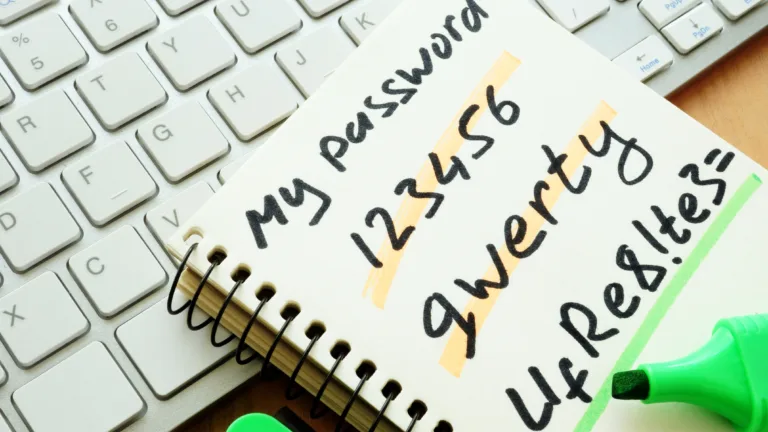
Passwords are the least secure and most often compromised method of security. So, how can you best prevent nefarious hackers from getting your information? We’ll go over some quick and easy methods to implement that’ll help protect yourself online.
With the recent ransomware attack on the City of Hamilton in the news, now is a good time to check your own business practices and ensure you are not the next victim of a cyber-attack. Here are some simple practices that can keep your organization safe.
Are your work emails not being delivered? If so, it could be because you have not updated your Domain Name System (DNS) with the records that tell email providers that your email is safe. Here is a brief introduction to SPF, DKIM and DMARC, and why they are important to include in your DNS records.
Most of us use Google to search for everything from shoes to diseases. We most often do so without thinking about what Google learns from our searches, and how that information is used.
Nobody enjoys opening their email to spend the first few moments deleting and marking emails as spam. Everyone is trying their best to combat spam on a personal level. If you want to know more about what you can do, Jeremy McMaster talks about preventing your email from getting hacked in this article. What are […]
Google and Microsoft both offer an amazing suite of products to improve office collaboration and productivity. Which is best for your business, and how should you use them?